Why Choose a Full Service Oil Change: Your Complete Guide to Quality Maintenance
Selecting a full-service oil change is a vital aspect of vehicle maintenance. This procedure goes beyond simply changing oil and filters; it includes detailed inspections of essential engine components. Appreciating the benefits of these extensive oil changes can lead to enhanced performance and lifespan of the vehicle. However, many vehicle owners may miss the specifics of what makes a full-service oil change valuable. Exploring these details reveals why this choice is critical for ideal car care.
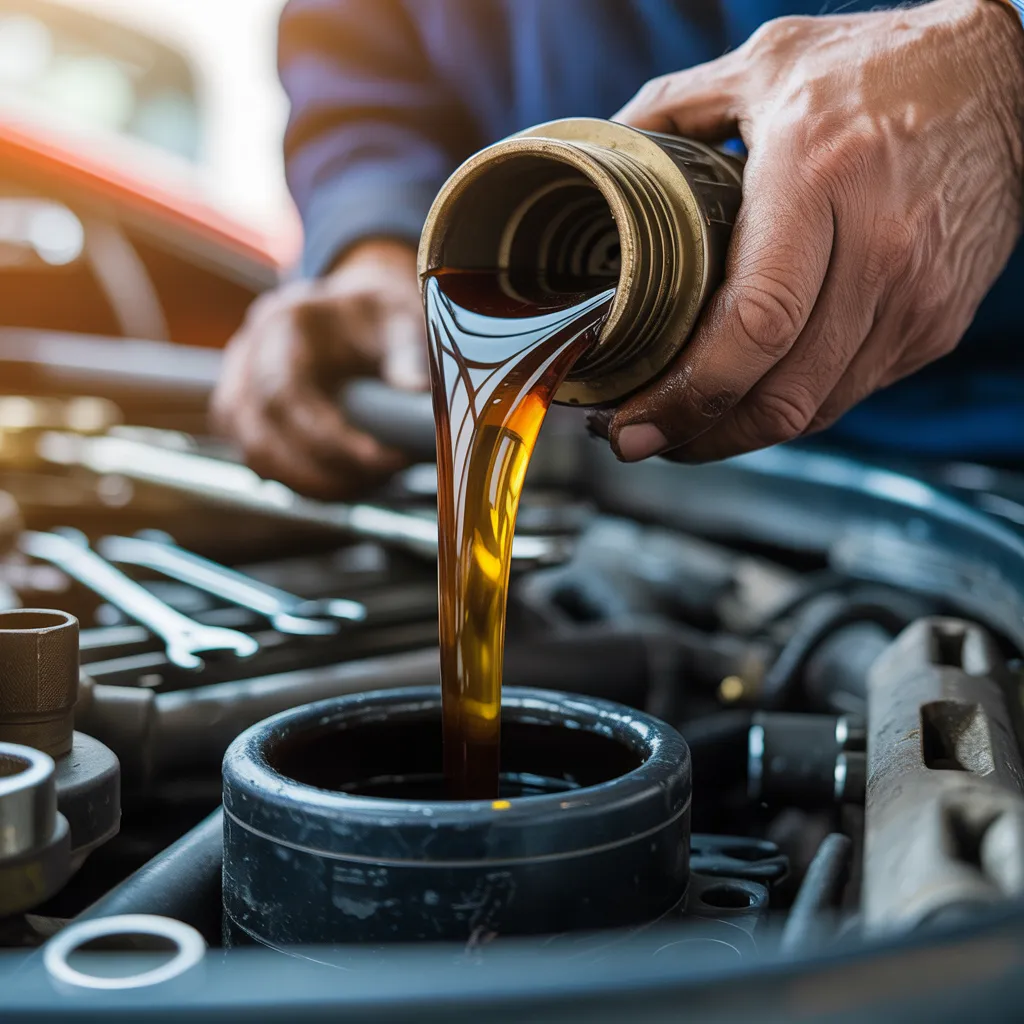
Why Regular Oil Changes Matter
Regular oil changes are vital for preserving a vehicle's efficiency and lifespan, as they ensure the engine operates seamlessly and effectively. Engine oil lubricates moving parts, decreasing friction and guarding against damage. With continued use, oil breaks down from heat and impurities, losing its effectiveness. This could cause heightened engine degradation, lowered efficiency, and significant mechanical damage.
Routine oil changes assist in maintaining ideal engine temperature, as fresh oil effectively dissipates heat. Additionally, they improve fuel efficiency, since a well-lubricated engine requires less energy to operate. Neglecting oil changes may lead to expensive repairs and a reduced vehicle lifespan.
Furthermore, regular upkeep can enhance resale value, as a thorough service record indicates diligence and dependability. In conclusion, routine oil changes are a vital aspect of vehicle upkeep, ensuring both performance and protection for the vehicle's engine over time.
The Essentials of a Full-Service Oil Change
A comprehensive oil change process encompasses multiple important aspects that provide ideal engine performance. To begin, technicians select the appropriate oil type based on the vehicle's requirements, ensuring peak lubrication and efficiency. This is complemented by replacing the oil filter, which traps contaminants and prevents them from circulating in the engine.
Additionally, a comprehensive oil change generally involves an detailed inspection of various engine systems, such as belts and hoses, which enables the discovery of potential problems before they develop further. Tire pressure checks and assessments of fluid levels, including coolant and brake fluid, are also standard procedures during this service.
These fundamental tasks not only extend engine life but also support overall vehicle safety. By committing to these methods, vehicle owners can verify that their engines perform smoothly and efficiently, ultimately minimizing the risk of costly repairs over time.
What Takes Place During a Full-Service Oil Change?
In the course of a complete oil change, skilled technicians diligently perform a set of systematic steps aimed at achieving optimal engine performance. First, they raise the vehicle to access the oil pan and filter. The used oil is subsequently removed, clearing out impurities and deposits that have built up over time. Following this, the mechanic installs a new oil filter to guarantee optimal filtration for the fresh oil.
Following this, fresh oil is added, following the automaker's specifications for viscosity and type. The mechanic also checks other important parts, including the fluids, air filter, and belts, offering suggestions for further service if needed. Finally, a complete examination of the exterior and undercarriage of the vehicle can uncover other possible concerns, guaranteeing comprehensive service.
This methodical process improves engine performance while also prolonging the vehicle's lifespan, making full-service oil changes a wise investment for vehicle owners.
Kinds of Oil for Your Vehicle
Knowing the appropriate kind of oil for a vehicle is vital for sustaining engine health. Vehicles typically employ one of three main types of oil: conventional, synthetic, or a blend of both. Conventional oil, produced from refined crude oil, is frequently employed in older models and provides adequate protection at a lower cost. Synthetic oil, developed in laboratories, offers superior performance, particularly in extreme temperatures, and is perfect for modern engines requiring higher efficiency. Finally, synthetic blends combine the benefits of both conventional and synthetic oils, delivering enhanced protection at a moderate price point.
Picking the appropriate oil also involves taking into account the automobile's manufacturer specifications, which detail viscosity ratings and oil standards. Following these recommendations guarantees optimal lubrication and helps prevent engine wear, effectively lengthening the lifespan of the car. Recognizing these types of oil empowers vehicle owners to take knowledgeable action during routine maintenance.
Maximizing Engine Performance With Comprehensive Oil Changes
Consistent full-service oil change services can significantly improve engine efficiency and durability. By replacing old, degraded oil with fresh, high-quality oil, the engine functions more seamlessly and productively. This procedure aids in reducing the friction within engine components, which in turn reduces mechanical wear and tear. Moreover, full-service oil change procedures often include the replacement of the engine oil filter, guaranteeing that harmful particles are efficiently cleared from the oil circulation system.
This thorough approach not only sustains ideal lubrication levels but also helps control engine temperature, avoiding engine overheating. Improved engine performance is often noticeable, with improved acceleration and greater fuel economy. Additionally, staying on top of regular oil changes can extend the life of the engine, enhancing the overall dependability of the vehicle. By making full-service oil changes a priority, drivers can ensure their engines operate at optimal levels, reducing the likelihood of expensive repairs down the road.
Tips for Maintaining Your Vehicle Between Oil Changes
Maintaining a vehicle between oil changes is crucial for ensuring long-lasting performance and reliability. Consistently monitoring fluid levels, such as coolant, brake fluid, and power steering fluid, works to prevent potential issues. Routine tire upkeep, including checking air pressure and tread depth, is critical for safety and fuel efficiency. Additionally, inspecting wipers and headlights provides visibility in various conditions.
Regular washing of the vehicle, on the interior and exterior, safeguards the paint and interior surfaces. It is also important to keep an eye on any odd sounds or dashboard warnings, as these can point to underlying concerns. Ensuring the battery terminals remain free of corrosion and confirming the ملخص battery is secure can eliminate starting difficulties. Finally, adhering to a regular schedule for rotating tires and replacing air filters contributes to overall vehicle health. By following these guidelines, vehicle owners can increase the longevity of their cars and elevate their overall driving experience.
When to Book Your Next Full-Service Oil Change
When is the ideal time to schedule a full-service oil change? Professionals advise following the manufacturer's specifications, usually outlined in the owner's manual. A typical vehicle requires an oil change every 3,000 to 7,500 miles, depending on the type of oil used and driving conditions. Advanced synthetic oils have the potential to extend change intervals, whereas regular short trips or harsh weather conditions may call for more frequent changes.
Additionally, signs such as the oil change light or unexpected engine noises can signal the need for urgent maintenance. Consistent tracking of oil levels and quality is critical; if the oil seems dark or contaminated, an oil change is needed. Arranging a complete oil change during scheduled maintenance appointments can also help prevent larger issues down the road. Ultimately, staying vigilant about oil changes contributes greatly to the longevity and performance of the automobile.
Commonly Asked Questions
What Is the Typical Duration of a Full-Service Oil Change?
A comprehensive oil change typically takes between 30 minutes to an hour. The length of the service can vary depending on the technician, type of vehicle, and any additional maintenance tasks performed during the visit.
Can I Wait Longer Than Recommended Between Oil Changes?
Going beyond the recommended timeframe between oil changes can cause mechanical wear and decreased efficiency. You should follow the manufacturer's guidelines to ensure peak vehicle health and longevity. Consistent servicing is key.
What Oil Brands Are Used for Your Full-Service Changes?
Trusted auto shops regularly rely on high-quality brands such as Castrol, Mobil 1, Pennzoil, and Valvoline for full-service oil changes. These products are renowned for their dependability and effectiveness, providing outstanding engine safeguarding and enhanced performance.
Should I Schedule an Appointment Before Getting an Oil Change?
Indeed, scheduling an appointment for an oil change is recommended. Doing so guarantees timely service, cuts down on wait times, and allows the service provider to efficiently allocate resources for the best possible vehicle upkeep.
Are There Any Warranties Associated With Full-Service Oil Changes?
Many full-service oil change providers offer service warranties that cover both parts and labor. These service warranties typically provide protection against defects or complications resulting from the oil change service, delivering customer satisfaction and greater peace of mind for vehicle maintenance.